Innovative & Integrative Medicine
Integrative Medicine
At Mind and Body Pain Clinic, we take a comprehensive, patient-centered approach to neurological care and pain management by integrating the latest advancements in conventional medicine with evidence-based complementary therapies. Our philosophy is rooted in the belief that effective treatment must address not only physical symptoms, but also the emotional, cognitive, and lifestyle factors that contribute to chronic pain and neurological dysfunction. In addition to neurologic evaluations, pharmacologic treatments, and interventional procedures, we encourage a range of integrative therapies such as mindfulness-based stress reduction and yoga — all grounded in scientific research and tailored to individual needs. This multidisciplinary model allows us to treat complex conditions such as traumatic brain injury, neuropathic pain, and post-concussion syndrome with a more holistic lens, helping patients reduce reliance on medications, improve function, and restore quality of life.
Traditional Medicine
Our traditional approach utilizes proven pharmacological interventions including targeted medications for neuropathic pain, specialized treatments for neurological symptoms, and evidence-based protocols that address both acute and chronic conditions affecting the nervous system.
Alternative Approaches
We complement traditional treatments with carefully selected nutritional supplements, physical therapy modalities, chiropractic care, and mindfulness practices that work synergistically to enhance overall neurological wellness and support long-term healing.




Research Spotlight: Brain-Computer Interfaces (BCIs)
Brain-Computer Interface (BCI) technology is an active area of neurological research that explores direct communication links between the brain and external devices. A BCI decodes brain signals into commands to control computers or prosthetics, with the goal of helping people with neurological injuries regain lost functions.
BCI technologies take several forms. Invasive BCIs, such as neural implants studied in research settings, are surgically placed to record and stimulate neural activity with high precision. Non-invasive BCIs use external sensors like EEG for applications in stroke rehabilitation and ADHD research. Brain-Machine Interfaces (BMIs) are being investigated to help individuals with spinal cord injuries or ALS communicate or control assistive devices.
For those affected by traumatic brain injury (TBI), stroke, or neurodegenerative diseases, BCI research holds meaningful promise. As clinical evidence evolves, some BCI approaches are moving from experimental trials toward broader medical use. The information below reflects published research — these technologies are not currently offered as in-clinic treatments at Mind and Body Pain Clinic.
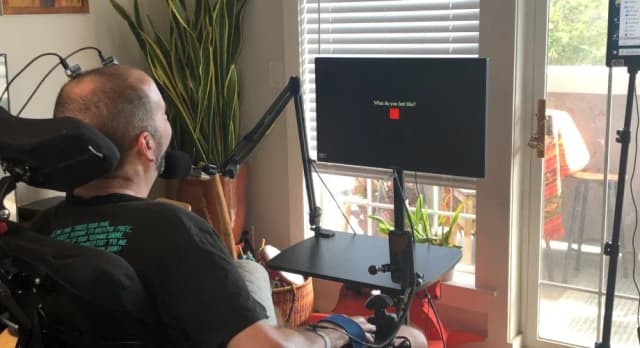
First-of-its-kind technology helps man with ALS 'speak' in real time
New brain-computer interface system from UC Davis enables faster, more natural conversation for individuals with speech loss.
Read More on UC Davis Health